
Product Design
Design digital products that solve real problems and create lasting value. Our product design service takes ideas from concept to market-ready solutions through user-centered design, iterative prototyping and rigorous testing. We combine design thinking with business strategy to build products that users love, businesses profit from and markets embrace.
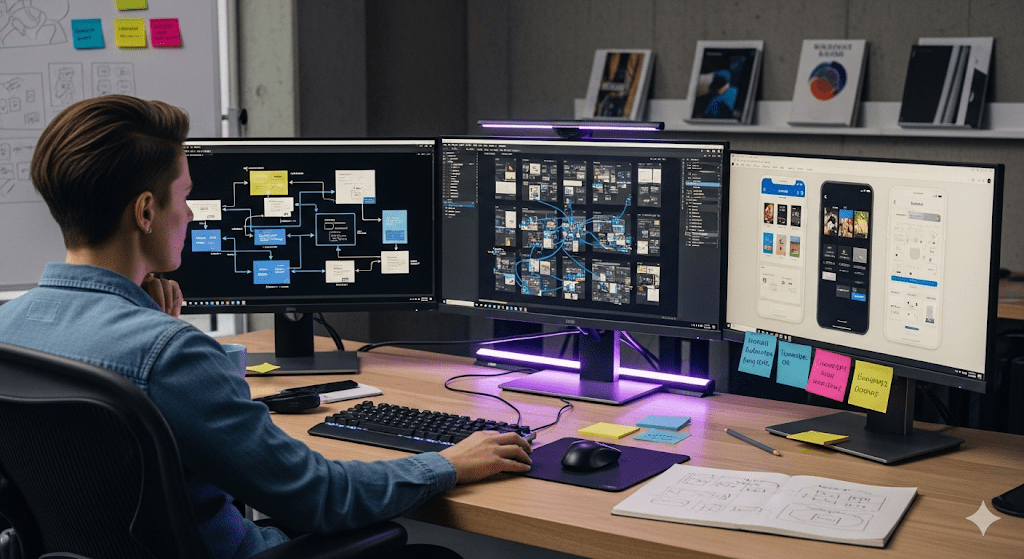
Product Design Excellence Through Innovation
With 40+ successful product launches and average user satisfaction scores of 4.6/5, we know what makes digital products successful. Our design process balances user needs, business goals and technical feasibility to create products that thrive in competitive markets.
Everything, build-ready
Interviews, audit and analytics to ground every decision.
Flows, sitemaps and navigation that make sense.
Low-fi structure to align fast before visuals.
Tokens and components in Figma - one source of truth.
Pixel-perfect UI for every state and breakpoint.
A real, testable prototype - plus developer handoff.
Our Product Design Process
Discovery & Research
Deep dive into user needs, market opportunities and business objectives through comprehensive research and analysis.
Ideation & Concept
Generate innovative solutions through workshops, sketching and collaborative ideation sessions with stakeholders.
Prototyping
Build interactive prototypes that bring concepts to life, letting real users experience and validate ideas.
Testing & Iteration
Run usability testing with target users, gathering feedback to refine and improve the product design.
Design Finalization
Create production-ready designs with comprehensive documentation for a seamless development handoff.
When product design pays for itself
A focused product design effort tends to pay back fastest in a few specific moments. These are the ones we're asked for most.
Get more new users to their first win - the single biggest lever on retention.
Remove friction where revenue is won or lost, step by step.
Turn dense, hard-to-read tables into something operators understand at a glance.
Modernise an aging product without forcing your users to relearn it.
Define and design a first version that's lean enough to ship, sharp enough to fund.
Give a scaling team one source of truth so quality holds as you grow.
The difference a redesign makes
Drag to compare a typical before-and-after from our UX work.
63%
Avg. conversion uplift
2.4×
Faster task completion
4.9★
Client rating
3wk
Typical timeline
Your first 7 days are free.
Scope a 1-month+ project
First 7 days free
Continue only if impressed
No risk · Real deliverables · Walk away after the week, no fee
A full week of our design team on your product — to kick off a 1-month+ engagement.
2 of 5 onboarding slots left this month
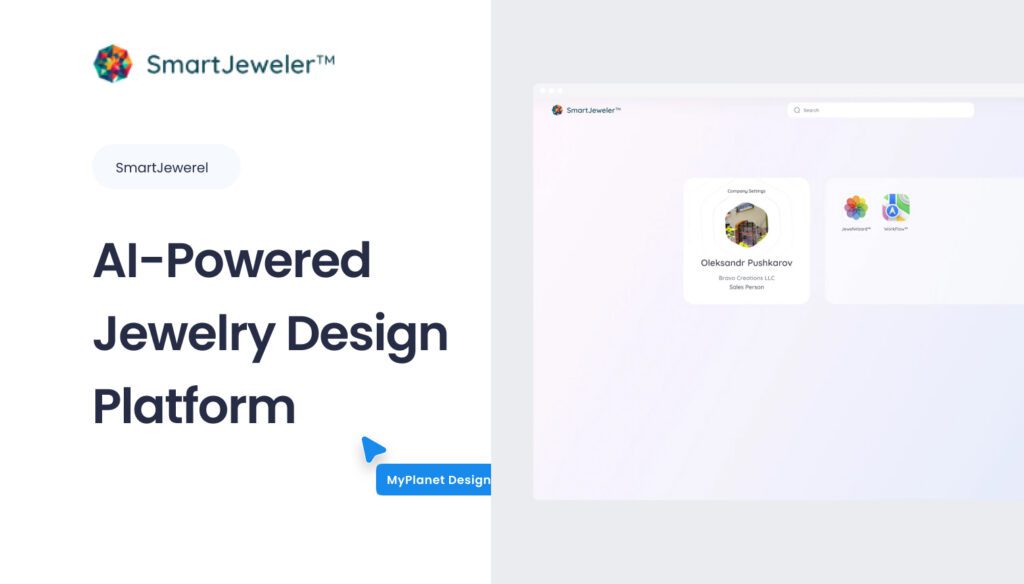
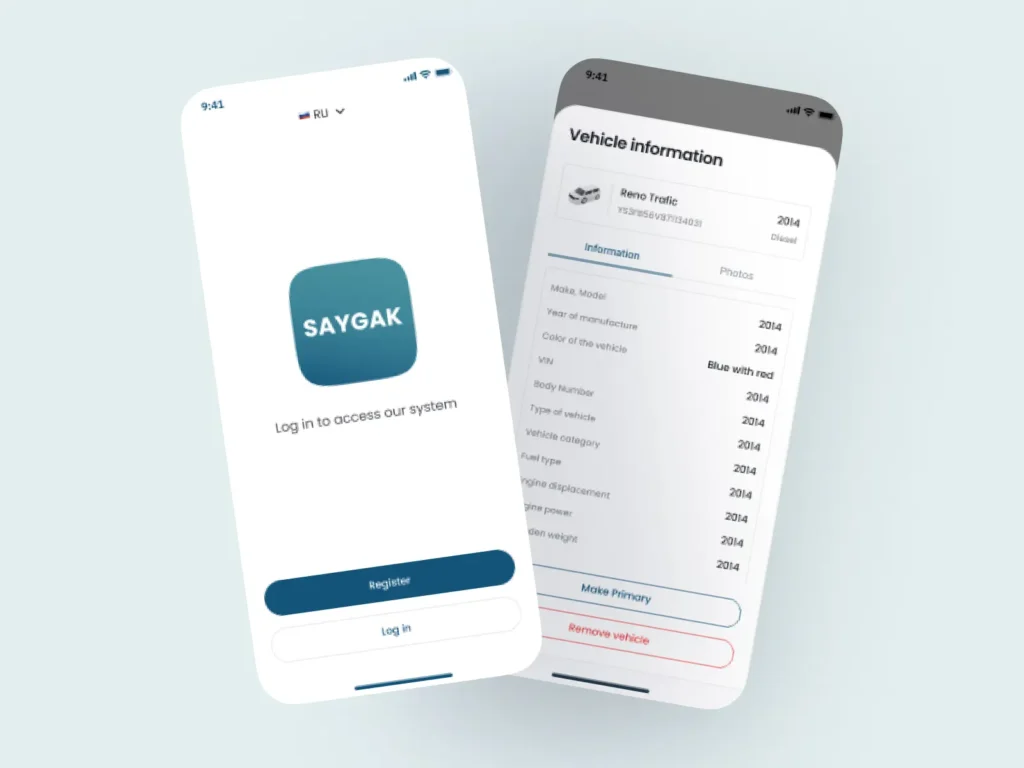
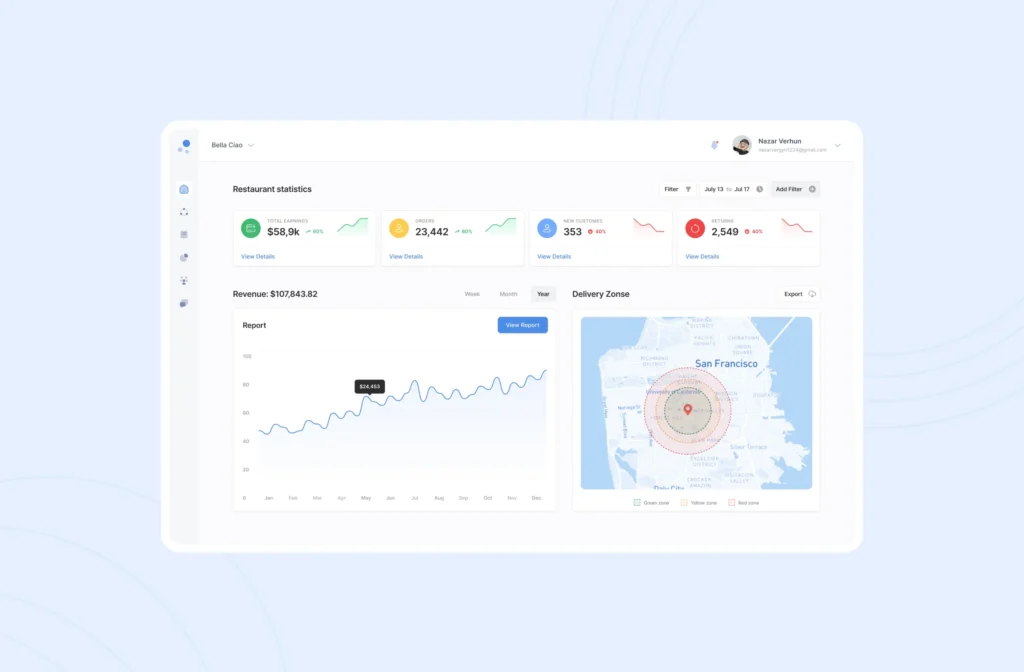
"Their efforts to truly understand the product were impressive — structured, helpful and skilled. Our internal KPIs jumped after the redesign."
FAQ
Couldn't find what you were looking for? Write to us at hello@myplanet.design
What's the difference between product design and UX/UI design?
Product design encompasses the entire product lifecycle from strategy to launch, including business model, feature prioritization and go-to-market strategy. UX/UI design focuses specifically on user experience and interface design. Product design is holistic, considering market fit, business viability and technical feasibility alongside user needs.
How do you validate product ideas before development?
We use multiple validation methods including user interviews, surveys, competitive analysis, landing page tests, prototype testing and MVP launches. This multi-faceted approach ensures products have market demand before significant investment. Validation reduces failure risk by 70% and accelerates time-to-market.
Can you help with existing products that need improvement?
Absolutely. We excel at product redesigns and optimization. We analyze current performance, identify improvement opportunities, conduct user research and implement iterative improvements. Many clients see 30-50% improvement in key metrics after redesign.
How long does product design typically take?
Timeline varies by complexity. Simple products: 8-12 weeks. Medium complexity: 12-16 weeks. Complex platforms: 16-24 weeks. We can deliver MVPs faster through phased approaches, getting to market quickly while continuing refinement.
Do you help with product strategy and roadmapping?
Yes, product strategy is integral to our process. We help define product vision, create feature roadmaps, prioritize development, plan release cycles and establish success metrics. Strategic planning ensures products evolve purposefully toward business goals.
How do you ensure products are technically feasible?
We collaborate with developers throughout the design process, considering technical constraints, platform capabilities and development resources. Early technical validation prevents costly redesigns and ensures smooth implementation.
What deliverables do developers receive?
Developers receive comprehensive packages including detailed specifications, interactive prototypes, design assets, style guides, component documentation and API requirements. We also provide ongoing support during development to ensure accurate implementation.
How do you measure product design success?
Success metrics include user adoption rates, engagement metrics, task completion rates, user satisfaction scores, business KPIs and market performance. We establish baselines and track improvements throughout the product lifecycle.
