
DevOps & Automation
Streamline your development workflow with automated CI/CD pipelines and infrastructure management. Our DevOps & Automation service eliminates manual processes, reduces deployment time, and increases reliability through continuous integration, automated testing, and infrastructure as code. From small startups to enterprise organizations, we create DevOps workflows that accelerate development cycles while improving quality and security.
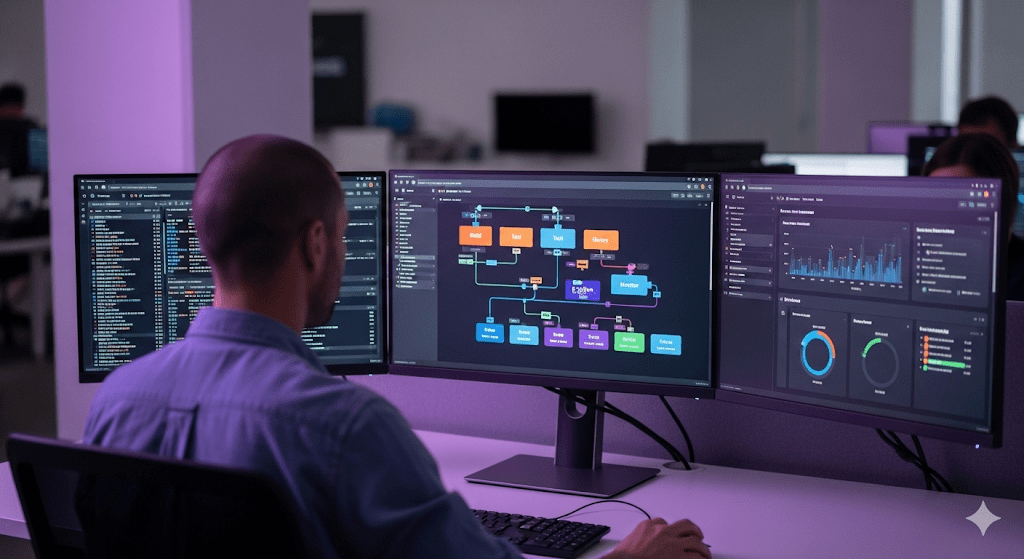
DevOps Excellence That Accelerates Development
Having implemented DevOps practices across 40+ projects, we've helped teams reduce deployment time from hours to minutes while achieving 99.9% deployment success rates. Our automation strategies typically improve development velocity by 3-5x while reducing production issues by 80%.
Everything, build-ready
Interviews, audit and analytics to ground every decision.
Flows, sitemaps and navigation that make sense.
Low-fi structure to align fast before visuals.
Tokens and components in Figma — one source of truth.
Pixel-perfect UI for every state and breakpoint.
A real, testable prototype — plus developer handoff.
Our DevOps Automation Process
Aktuelle Zustandsbewertung
Analyse bestehender Entwicklungsprozesse, Identifikation von Engpässen sowie Bewertung aktueller Tools und Infrastruktur zur Erstellung einer Verbesserungs-Roadmap.
Pipeline-Design
Design von CI/CD-Pipelines, Auswahl optimaler Tools, Planung der Infrastrukturarchitektur und Etablierung von Sicherheits- und Qualitäts-Gates im gesamten Prozess.
Implementierung & Integration
Aufbau von Automatisierungspipelines, Konfiguration von Infrastructure as Code, Integration von Monitoring und Alerting sowie Etablierung von Backup- und Recovery-Verfahren.
Testing & Optimierung
Test aller automatisierten Prozesse, Optimierung von Performance-Engpässen, Validierung von Sicherheitsmaßnahmen und Gewährleistung der Zuverlässigkeit unter verschiedenen Szenarien.
Schulung & Dokumentation
Team-Schulungen durchführen, umfassende Dokumentation erstellen, Monitoring-Dashboards einrichten und laufende Wartungsverfahren implementieren.
When UI/UX pays for itself
A focused redesign tends to pay back fastest in a few specific moments. These are the ones we’re asked for most.
Get more new users to their first win — the single biggest lever on retention.
Remove friction where revenue is won or lost, step by step.
Turn dense, scary tables into something operators read at a glance.
Modernise an aging product without forcing your users to relearn it.
Define and design a first version that’s lean enough to ship, sharp enough to fund.
Give a scaling team one source of truth so quality holds as you grow.
The difference a redesign makes
Drag to compare a typical before-and-after from our UX work.
63%
Avg. conversion uplift
2.4×
Faster task completion
4.9★
Client rating
3wk
Typical timeline
Your first 7 days are free.
Scope a 1-month+ project
First 7 days free
Continue only if impressed
No risk · Real deliverables · Walk away after the week, no fee
A full week of our design team on your product — to kick off a 1-month+ engagement.
2 of 5 onboarding slots left this month
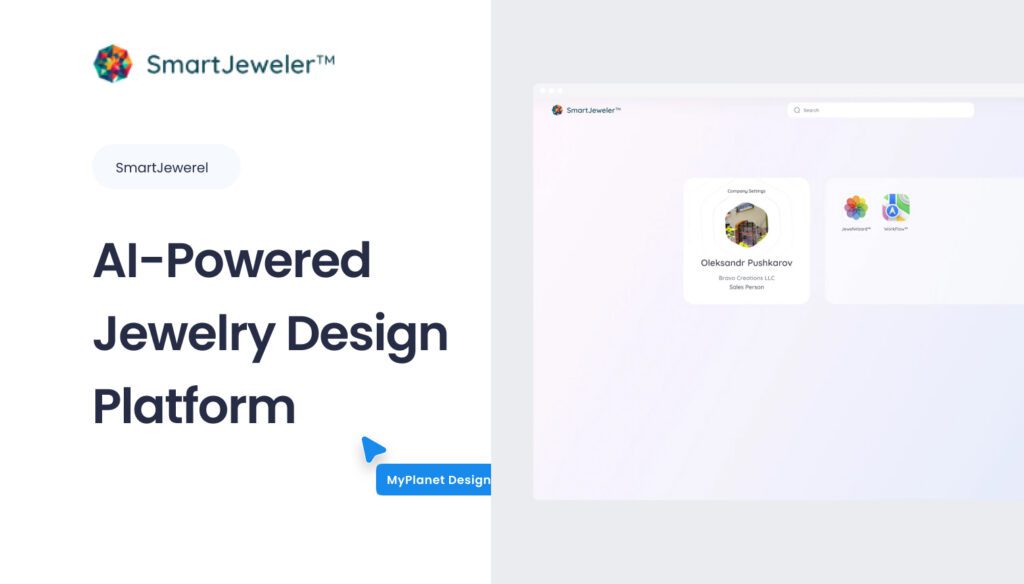
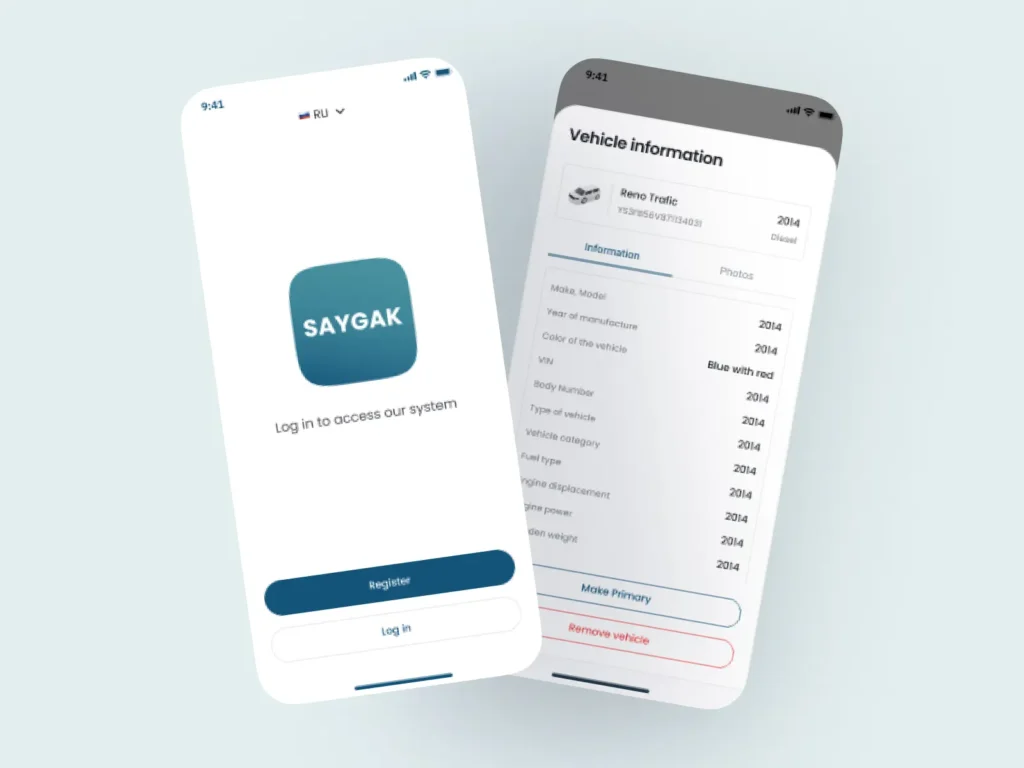
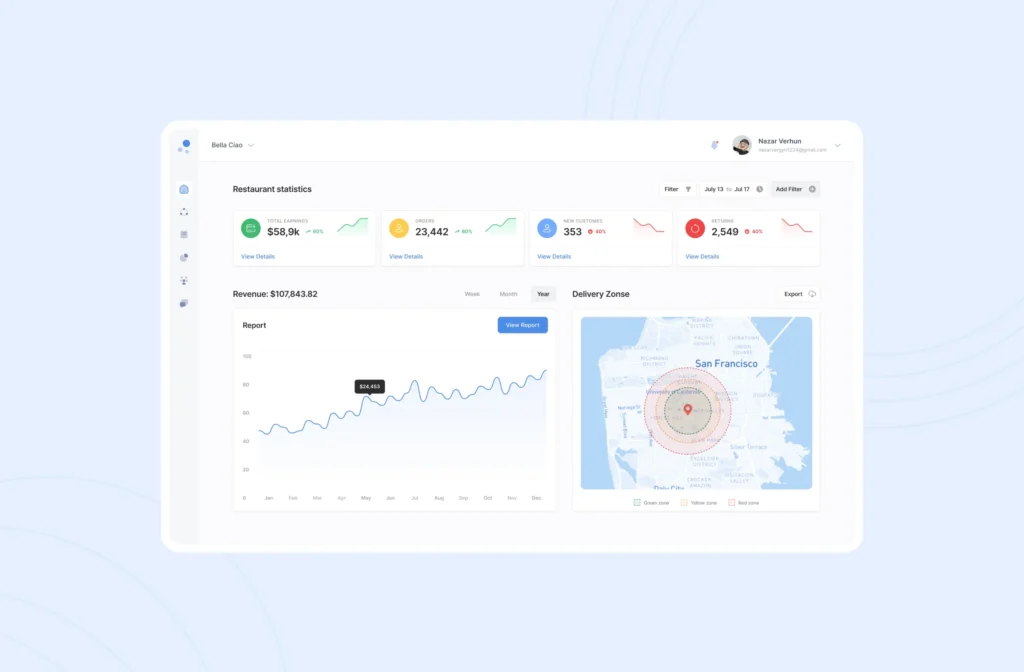
"Their efforts to truly understand the product were impressive — structured, helpful and skilled. Our internal KPIs jumped after the redesign."
FAQ
Couldn't find what you were looking for? Write to us at hello@myplanet.design
What is DevOps and how does it benefit our development team?
DevOps combines development and operations practices to accelerate software delivery while improving quality. Benefits include faster deployments (from weeks to minutes), fewer production issues (80% reduction typical), improved collaboration between teams, automated testing and quality gates, scalable infrastructure, and better system reliability. Teams can focus on building features instead of manual processes.
How quickly can you implement CI/CD pipelines?
Implementation timeline varies by complexity. Simple pipelines: 1-2 weeks. Complex multi-environment pipelines: 4-6 weeks. Enterprise implementations: 8-12 weeks. We often start with basic automation and gradually add sophistication. Teams typically see immediate benefits from even simple automation.
What tools and platforms do you work with?
We work with leading DevOps tools including Git for version control, Jenkins/GitHub Actions/GitLab CI for CI/CD, Docker and Kubernetes for containers, Terraform for infrastructure, AWS/Azure/GCP for cloud platforms, monitoring tools like Prometheus and Grafana, and security tools for scanning and compliance. We choose tools based on your specific needs and existing infrastructure.
Can you work with our existing development tools?
Absolutely! We integrate with existing tools and gradually improve your workflow without disrupting current development. Whether you use specific IDEs, version control systems, project management tools, or deployment platforms, we create automation that works with your established processes while adding efficiency.
How do you ensure security in automated deployments?
Security measures include automated security scanning in pipelines, secrets management for sensitive data, infrastructure security compliance, vulnerability assessment, access control for deployment systems, audit logging of all changes, and automated rollback capabilities. Security gates prevent vulnerable code from reaching production.
What about disaster recovery and backup automation?
We implement automated backup systems, disaster recovery planning, infrastructure redundancy, data replication across regions, automated failover capabilities, recovery testing procedures, and documentation for various failure scenarios. Your systems remain available even during unexpected events.
How do you monitor and maintain DevOps systems?
Ongoing maintenance includes pipeline performance monitoring, infrastructure health tracking, security update management, tool updates and maintenance, performance optimization, capacity planning, documentation updates, and team training on new features. We ensure your DevOps systems continue improving over time.
What ROI can we expect from DevOps implementation?
Typical ROI includes 3-5x faster development cycles, 80% reduction in production issues, 50% reduction in infrastructure costs through automation, improved team productivity and satisfaction, faster time-to-market for features, and better system reliability. Most organizations see positive ROI within 6-12 months through improved efficiency and reduced downtime.
