
Process Automation
Automate repetitive business processes to increase efficiency, cut costs, and eliminate human error. We identify manual, time-consuming tasks and turn them into reliable automated workflows using RPA, workflow engines, and integration platforms. From invoice processing to customer onboarding, we build intelligent automation that frees your team for strategic, value-added work while improving accuracy and speed.

Process Automation Excellence That Transforms Operations
Having automated 200+ business processes across diverse industries, we have helped organisations reduce processing time by 80% while eliminating 95% of manual errors.
Our automation solutions typically deliver ROI within 6-12 months through improved efficiency and reduced operational costs, so the investment pays for itself fast and keeps compounding as you scale.
Everything, production-ready
A map of your current workflows with automation opportunities, complexity, and ROI ranked for impact.
A solution design with the right RPA, workflow, and integration stack, plus governance and monitoring built in.
Configured business rules and bots that run your invoicing, onboarding, reporting, and data tasks end to end.
Connections to your ERP, CRM, databases, and legacy apps via APIs, database links, or screen automation when needed.
Human-in-the-loop steps, escalation paths, and fallbacks so routine cases run untouched and edge cases route correctly.
Dashboards, alerting, maintenance, and team training that keep automations reliable and delivering value over time.
Our Process Automation Approach
Process Discovery & Analysis
Map current business processes, identify automation opportunities, assess complexity and ROI potential, and prioritise processes for maximum impact.
Solution Design & Planning
Design the automation architecture, choose the optimal technologies, plan integration requirements, and establish governance and monitoring frameworks.
Development & Configuration
Build automation workflows, configure business rules, integrate with existing systems, and implement error handling and monitoring capabilities.
Testing & Optimisation
Test automation under various scenarios, optimise performance, validate business outcomes, and ensure the reliability and accuracy of automated processes.
Deployment & Support
Deploy with comprehensive monitoring, train teams on management, establish maintenance procedures, and provide ongoing optimisation and support.
When automation pays for itself
High-volume, rule-based work tends to pay back fastest once it is automated. These are the processes clients ask us to take off their plate most often.
Capture, validate, and post invoices automatically to clear backlogs and accounts payable without manual keying.
Run onboarding and KYC checks as a guided workflow so new customers go live faster and compliantly.
Move and reconcile data across systems without copy-paste errors or weeks of manual effort.
Generate and distribute recurring reports on schedule, accurately, with no analyst time spent assembling them.
Automate order intake, routing, and fulfilment steps to speed turnaround and reduce errors at scale.
Automate employee onboarding, timesheets, and compliance reporting with consistent, fully audited execution.
The difference a redesign makes
Drag to compare a typical before-and-after from our UX work.
200+
Processes automated
80%
Less processing time
95%
Fewer manual errors
6-12 mo
Typical time to ROI
Your first 7 days are free.
Scope a 1-month+ project
First 7 days free
Continue only if impressed
No risk · Real deliverables · Walk away after the week, no fee
A full week of our design team on your product — to kick off a 1-month+ engagement.
2 of 5 onboarding slots left this month
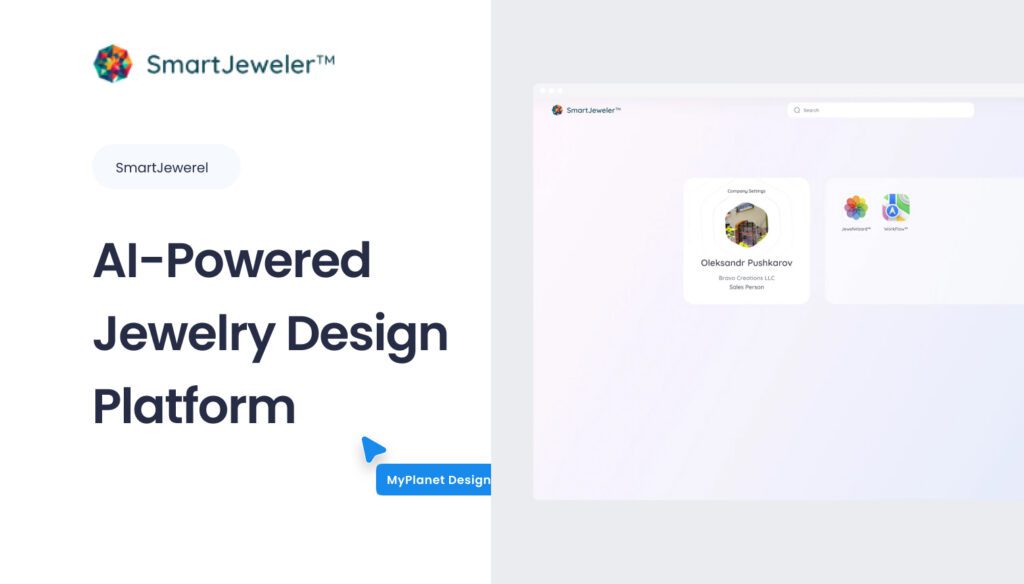
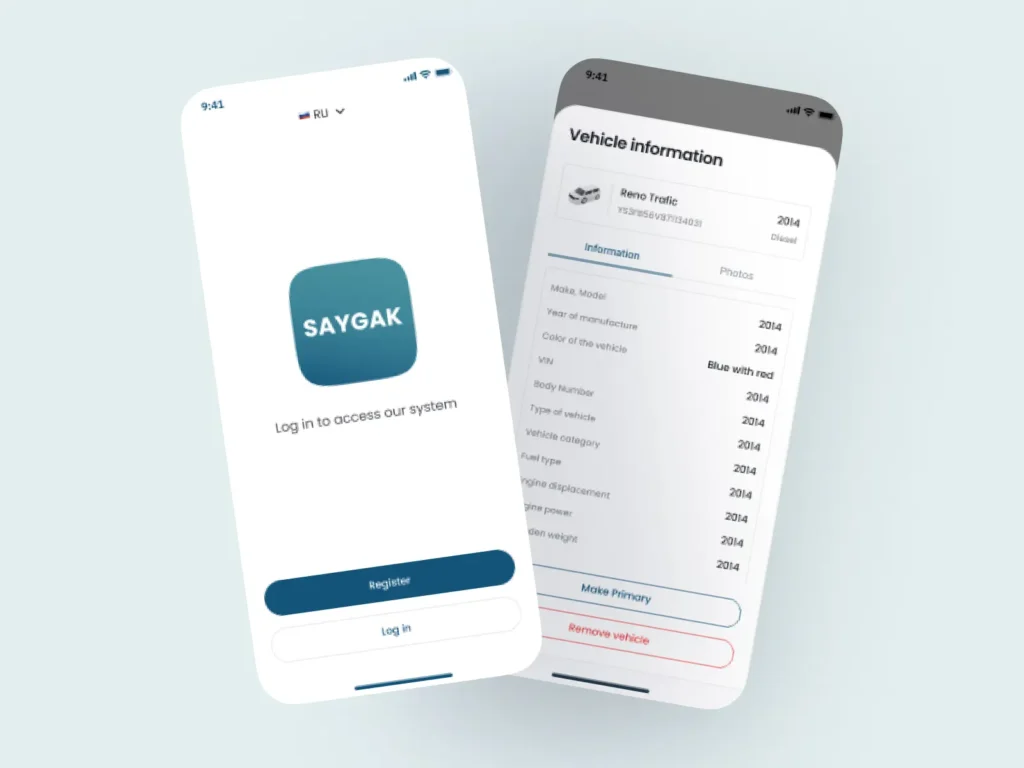
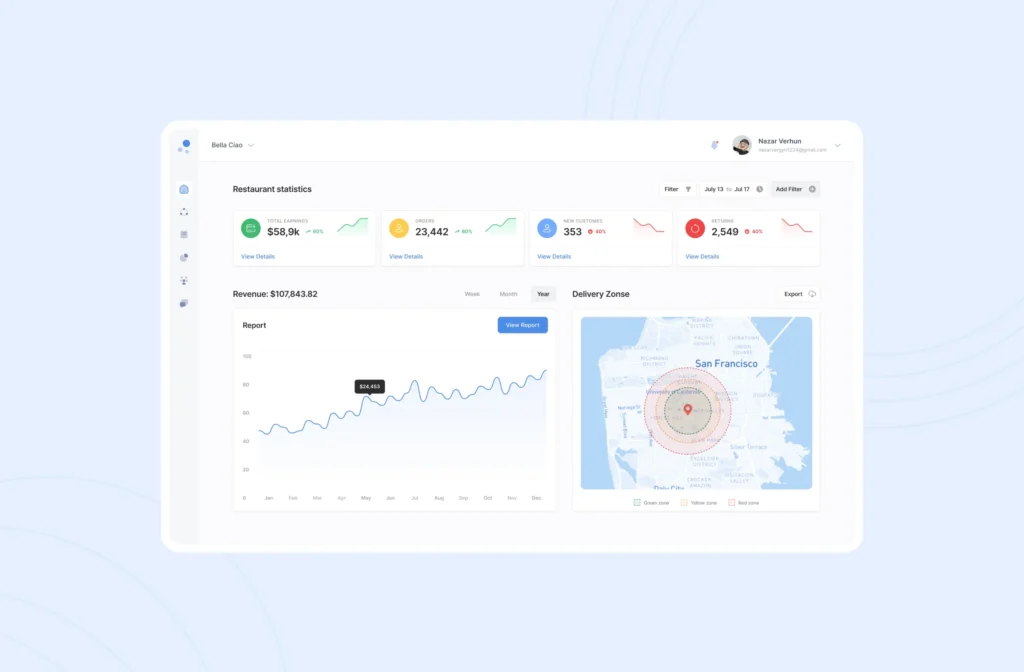
"Their efforts to truly understand the product were impressive — structured, helpful and skilled. Our internal KPIs jumped after the redesign."
FAQ
Couldn't find what you were looking for? Write to us at hello@myplanet.design
What types of business processes can be automated?
We automate invoice processing and accounts payable, customer onboarding and KYC, data entry and migration, report generation and distribution, email processing and routing, inventory management, HR processes such as employee onboarding and timesheets, order processing and fulfilment, compliance reporting, and customer service workflows. Almost any repetitive, rule-based process can be automated.
How do you identify which processes should be automated first?
We prioritise based on process volume and frequency, time spent on manual tasks, error rates and quality issues, employee satisfaction and retention, compliance requirements, customer impact, and ROI potential. High-volume, repetitive processes with clear rules typically offer the best automation opportunities and the fastest returns.
What ROI can we expect from process automation?
Typical ROI includes a 60-80% reduction in processing time, 90-95% fewer manual errors, 40-60% cost savings in operational expenses, improved employee satisfaction, faster customer service, better compliance and audit capabilities, and scalability without proportional staff increases. Most organisations see positive ROI within 6-18 months.
How do you handle exceptions and complex scenarios?
Our automation includes intelligent exception handling through business rule engines, human-in-the-loop workflows for complex decisions, escalation procedures for unusual cases, machine learning for pattern recognition, configurable decision trees, and fallback procedures for system issues. Automation handles routine cases while routing exceptions appropriately.
What about security and compliance in automated processes?
Security measures include encrypted credential management, access control and audit trails, compliance with regulatory requirements, data protection and privacy controls, secure system integration, role-based permissions, and comprehensive logging. Automated processes often improve compliance through consistent execution and complete audit trails.
How do you ensure automation reliability and uptime?
Reliability features include error handling and recovery procedures, monitoring and alerting systems, backup and failover capabilities, performance optimisation, regular maintenance and updates, and disaster recovery planning. Automation systems are designed for 99.9% uptime with comprehensive monitoring and proactive maintenance.
Can automation integrate with our existing systems?
Yes. We integrate with virtually any system including ERP platforms such as SAP, Oracle, and NetSuite, CRM systems such as Salesforce and HubSpot, databases, web applications, legacy systems, file systems, email platforms, and custom applications. Integration uses APIs, database connections, file processing, and screen automation when needed.
How do you manage and maintain automated processes?
Ongoing management includes centralised monitoring dashboards, performance tracking and optimisation, error resolution and troubleshooting, business rule updates, security updates and compliance, capacity planning and scaling, documentation and knowledge transfer, and user training and support. We ensure automation keeps delivering value as your business needs evolve.
