
Database Design that scales with your product
We design efficient, scalable database architectures that power your applications and protect your data. Using SQL and NoSQL technologies tailored to your needs, we build robust storage solutions - from relational databases for transactional systems to document stores for content management - so your data stays organised, accessible, secure and fast under any load.

Database excellence through strategic architecture
With 35+ database systems designed handling millions of records, we understand what makes database architecture successful. Our designs consistently achieve query response times under 50ms while maintaining 99.99% uptime and zero data loss through proven architecture patterns.
Every schema, index and scaling strategy is chosen for your real access patterns – not a generic template – so performance holds as your data and traffic grow.
Everything, build-ready
Interviews, audit and analytics to ground every decision.
Flows, sitemaps and navigation that make sense.
Low-fi structure to align fast before visuals.
Tokens and components in Figma — one source of truth.
Pixel-perfect UI for every state and breakpoint.
A real, testable prototype — plus developer handoff.
Our Database Design Process
Requirements Analysis
Analyse data requirements, access patterns, performance needs and scalability projections to understand the optimal database architecture approach.
Architecture Design
Create the database schema, choose optimal technologies, design relationships and constraints, and plan indexing strategies for performance optimisation.
Implementation & Optimisation
Build the database structure, implement security measures, optimise queries and indexes, and configure backup and recovery systems.
Testing & Performance Tuning
Conduct load testing, optimise performance bottlenecks, validate data integrity, and ensure security measures are functioning properly.
Documentation & Monitoring
Provide comprehensive documentation, implement monitoring systems, establish maintenance procedures, and train your team on database management.
When UI/UX pays for itself
A focused redesign tends to pay back fastest in a few specific moments. These are the ones we’re asked for most.
Get more new users to their first win — the single biggest lever on retention.
Remove friction where revenue is won or lost, step by step.
Turn dense, scary tables into something operators read at a glance.
Modernise an aging product without forcing your users to relearn it.
Define and design a first version that’s lean enough to ship, sharp enough to fund.
Give a scaling team one source of truth so quality holds as you grow.
The difference a redesign makes
Drag to compare a typical before-and-after from our UX work.
63%
Avg. conversion uplift
2.4×
Faster task completion
4.9★
Client rating
3wk
Typical timeline
Your first 7 days are free.
Scope a 1-month+ project
First 7 days free
Continue only if impressed
No risk · Real deliverables · Walk away after the week, no fee
A full week of our design team on your product — to kick off a 1-month+ engagement.
2 of 5 onboarding slots left this month
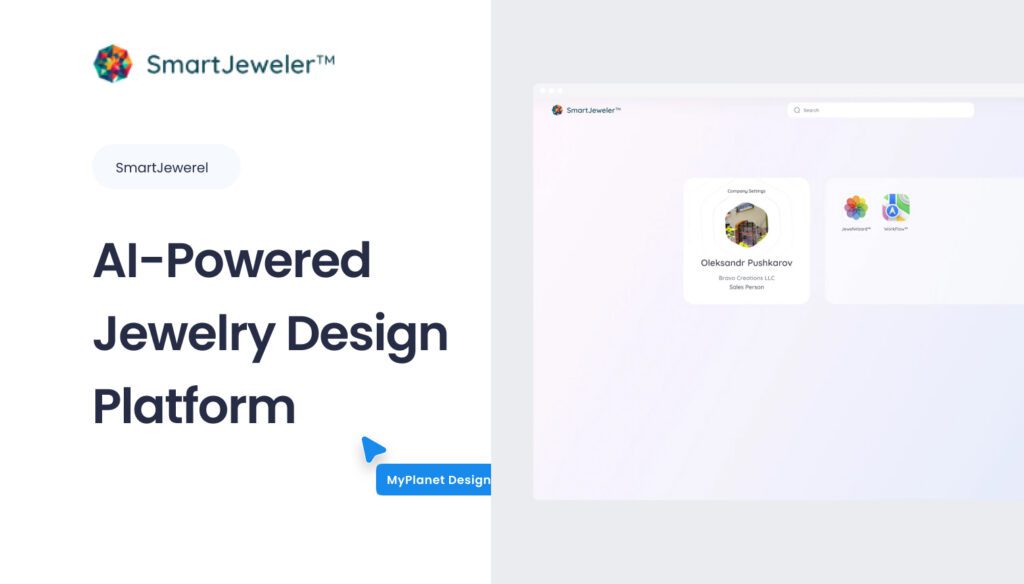
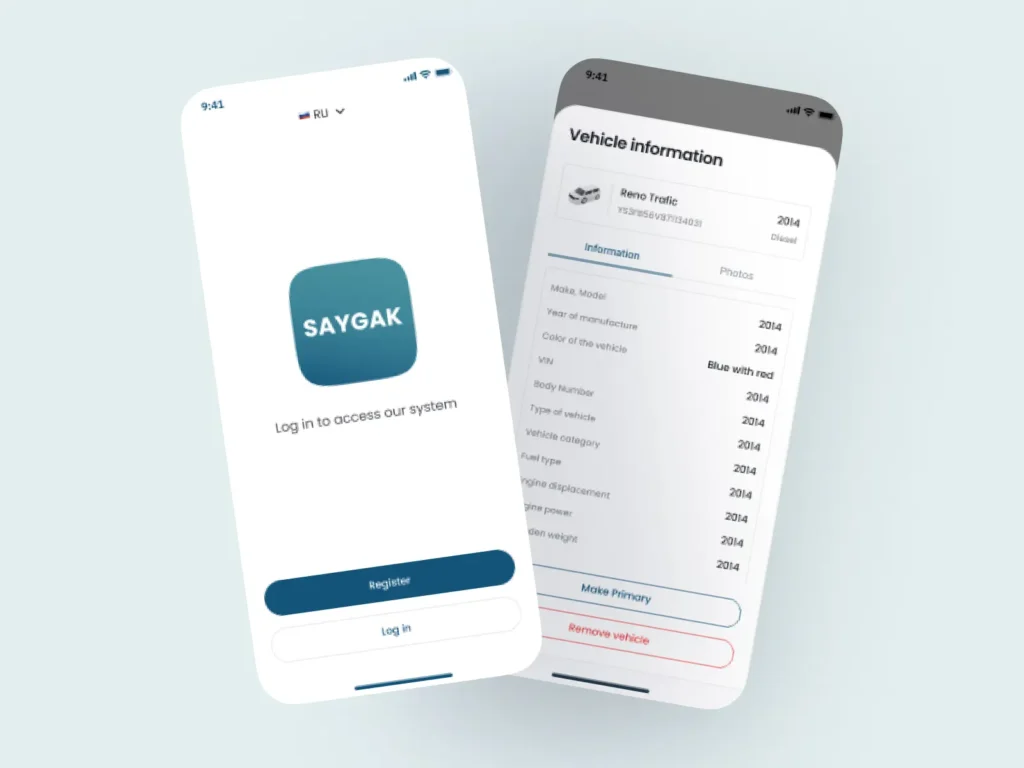
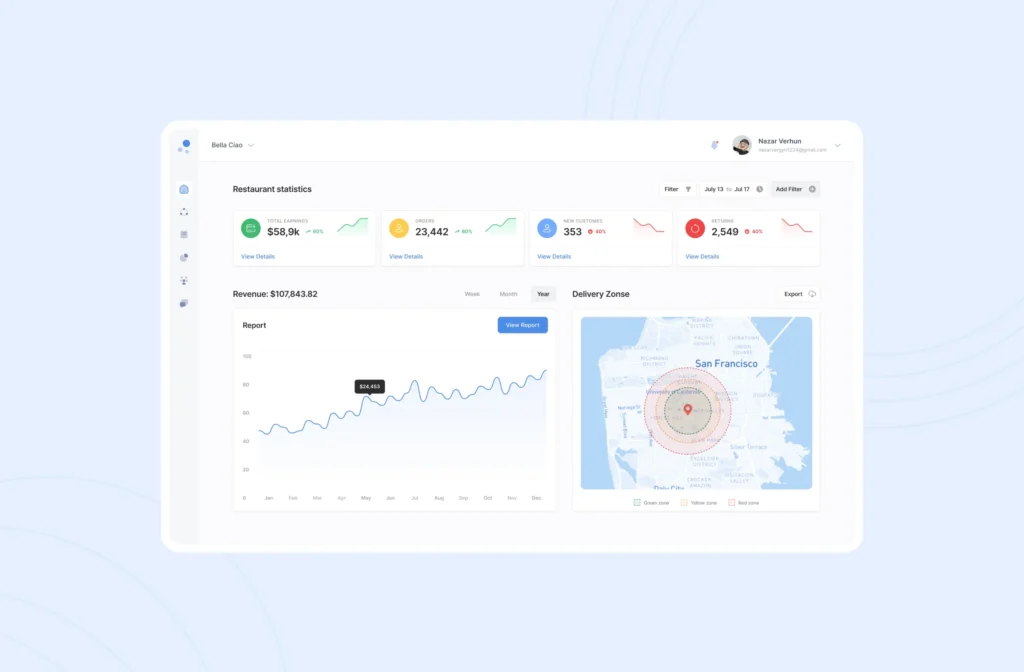
"Their efforts to truly understand the product were impressive — structured, helpful and skilled. Our internal KPIs jumped after the redesign."
FAQ
Couldn't find what you were looking for? Write to us at hello@myplanet.design
How do you choose between SQL and NoSQL databases?
The choice depends on your data structure and requirements. SQL databases (PostgreSQL, MySQL) are ideal for structured data with complex relationships, ACID compliance needs and complex queries. NoSQL databases (MongoDB, Cassandra) work better for flexible schemas, horizontal scaling and rapid development. We analyse your specific use case to recommend the optimal approach.
How do you ensure database performance as data grows?
Performance optimisation includes proper indexing strategies, query optimisation, table partitioning for large datasets, read replicas for scaling, caching layers, connection pooling and horizontal scaling techniques. We design databases that maintain fast performance even with millions of records and thousands of concurrent users.
What security measures do you implement?
Security measures include data encryption at rest and in transit, user authentication and authorisation, role-based access control, SQL-injection prevention, audit logging, network security configuration, backup encryption and compliance with security standards. We ensure your data is protected from unauthorised access and breaches.
Can you migrate our existing database to a new system?
Yes, we handle complete database migrations including data mapping and conversion, schema transformation, performance optimisation, zero-downtime migration strategies, data validation and testing, and rollback planning. We ensure smooth transitions with no data loss or extended downtime.
How do you handle backup and disaster recovery?
Comprehensive backup strategies include automated daily backups, point-in-time recovery capability, geographically distributed backup storage, disaster recovery planning with RTO/RPO targets, backup testing and validation, and documentation for recovery procedures. Your data is protected against all types of failures.
What about database integration with applications?
We design databases that integrate seamlessly with applications through optimised API development, efficient connection management, data access layer design, ORM integration, caching strategies and real-time data synchronisation. Applications perform optimally while maintaining data consistency.
How do you monitor database health and performance?
Monitoring includes performance metrics tracking, query analysis and optimisation alerts, storage and capacity monitoring, backup verification, security audit logging, uptime monitoring and automated alerting for issues. We proactively identify and resolve problems before they impact your applications.
What ongoing support do you provide?
Ongoing support includes performance monitoring and optimisation, security updates, backup management, capacity planning, query optimisation, troubleshooting support, documentation updates and team training. We ensure your database continues performing optimally as your business grows and evolves.
