
QA & Testing
Ensure software quality and reliability through comprehensive testing strategies and quality assurance processes. Our QA & Testing service combines manual testing expertise with automated test suites to catch bugs before they reach users. From functional testing to performance optimization, we create testing frameworks that give you confidence in your software releases while reducing long-term maintenance costs and improving user satisfaction.

Quality Assurance Excellence Through Systematic Testing
Having tested 100+ software projects with 95% bug detection rates before release, we understand what makes QA testing successful. Our testing strategies typically reduce post-release bugs by 85% while accelerating release cycles through efficient automated testing frameworks.
Everything, build-ready
Interviews, audit and analytics to ground every decision.
Flows, sitemaps and navigation that make sense.
Low-fi structure to align fast before visuals.
Tokens and components in Figma — one source of truth.
Pixel-perfect UI for every state and breakpoint.
A real, testable prototype — plus developer handoff.
Our QA & Testing Process
Test-Strategie-Planung
Analyse der Anwendungsanforderungen, Identifikation des Test-Umfangs, Auswahl optimaler Test-Ansätze und Erstellung umfassender Testpläne mit Erfolgskriterien.
Test-Umgebungs-Setup
Konfiguration von Test-Umgebungen, die die Produktion spiegeln, Aufbau von Testdaten, Etablierung automatisierter Test-Infrastruktur und Vorbereitung von Monitoring-Tools.
Test-Case-Entwicklung
Erstellung detaillierter Test-Cases für alle Funktionalitäten, Entwicklung automatisierter Test-Skripte, Design von Performance-Test-Szenarien und Etablierung von Sicherheits-Test-Protokollen.
Ausführung & Analyse
Durchführung manueller und automatisierter Tests, Analyse der Ergebnisse und Identifikation von Problemen, Durchführung von Regressionstests und Validierung von Fixes mit umfassenden Retests.
Reporting & Optimierung
Bereitstellung detaillierter Test-Reports, Empfehlung von Verbesserungen, Optimierung der Test-Prozesse und Etablierung laufender Qualitätssicherungsverfahren.
When UI/UX pays for itself
A focused redesign tends to pay back fastest in a few specific moments. These are the ones we’re asked for most.
Get more new users to their first win — the single biggest lever on retention.
Remove friction where revenue is won or lost, step by step.
Turn dense, scary tables into something operators read at a glance.
Modernise an aging product without forcing your users to relearn it.
Define and design a first version that’s lean enough to ship, sharp enough to fund.
Give a scaling team one source of truth so quality holds as you grow.
The difference a redesign makes
Drag to compare a typical before-and-after from our UX work.
63%
Avg. conversion uplift
2.4×
Faster task completion
4.9★
Client rating
3wk
Typical timeline
Your first 7 days are free.
Scope a 1-month+ project
First 7 days free
Continue only if impressed
No risk · Real deliverables · Walk away after the week, no fee
A full week of our design team on your product — to kick off a 1-month+ engagement.
2 of 5 onboarding slots left this month
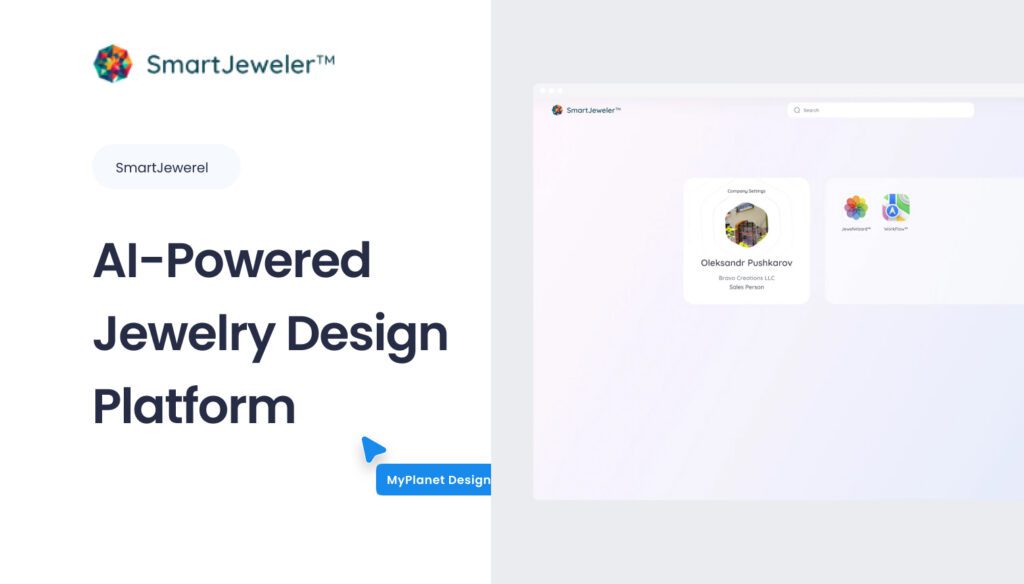
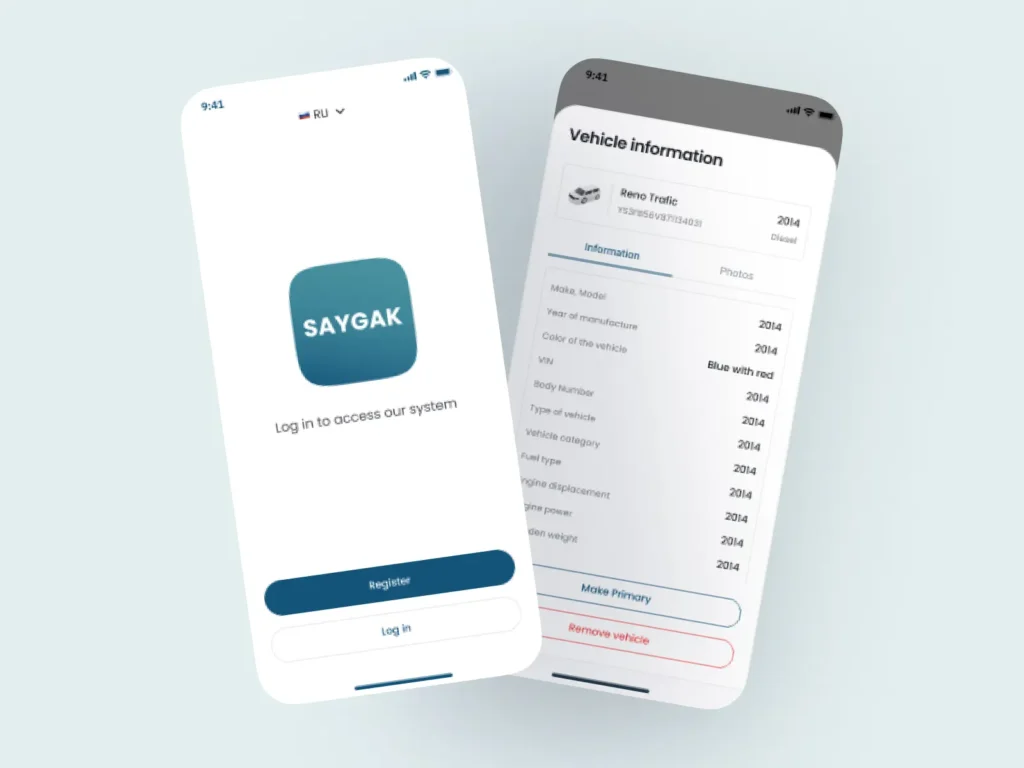
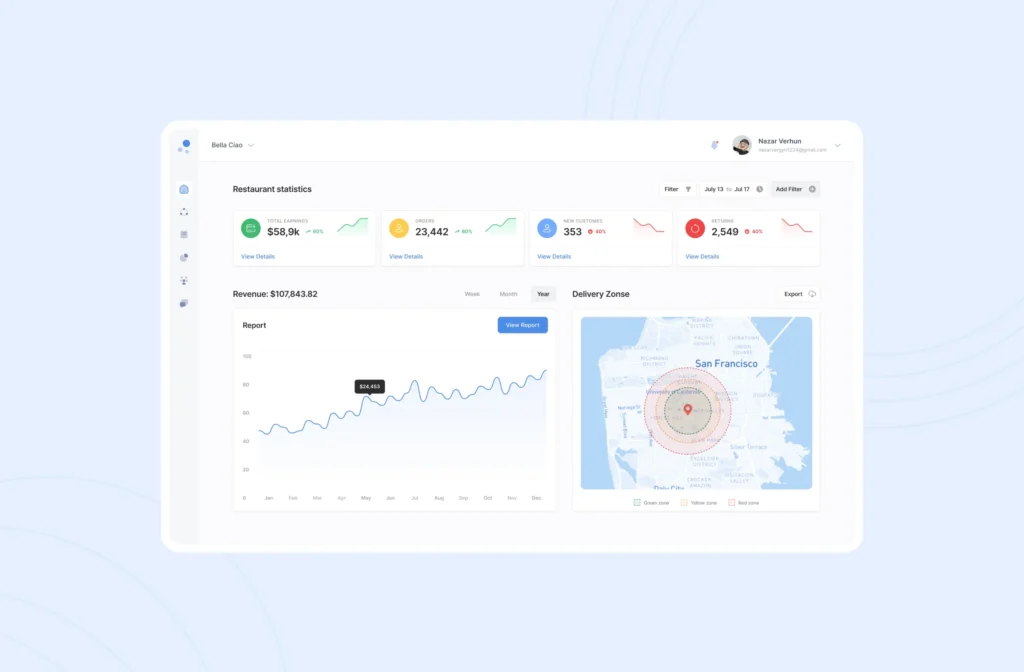
"Their efforts to truly understand the product were impressive — structured, helpful and skilled. Our internal KPIs jumped after the redesign."
FAQ
Couldn't find what you were looking for? Write to us at hello@myplanet.design
What types of testing do you perform?
We offer comprehensive testing including functional testing, performance and load testing, security testing, usability testing, compatibility testing (browsers, devices, operating systems), API testing, database testing, regression testing, and user acceptance testing. We create customized testing strategies based on your specific application and requirements.
How do you balance manual and automated testing?
We use manual testing for exploratory, usability, and complex scenario testing where human judgment is valuable. Automated testing handles repetitive tasks, regression testing, and continuous integration. Typically 70% automated, 30% manual provides optimal coverage and efficiency while maintaining testing quality.
What tools do you use for testing?
Our testing toolkit includes Selenium and Cypress for web automation, Appium for mobile testing, Postman and RestAssured for API testing, JMeter and LoadRunner for performance testing, OWASP ZAP for security testing, TestRail for test management, and Jenkins for CI/CD integration. We select tools based on your technology stack and requirements.
How do you ensure testing covers all user scenarios?
We create comprehensive test coverage through requirements analysis, user journey mapping, boundary testing, edge case identification, error condition testing, cross-platform validation, and business workflow testing. Test coverage reports show exactly what's been tested and identify any gaps.
Can you integrate testing into our development workflow?
Yes, we integrate seamlessly with development processes including CI/CD pipeline integration, automated testing on code commits, parallel testing execution, real-time test result reporting, bug tracking system integration, and collaborative test planning. Testing becomes part of the development workflow rather than a separate phase.
How quickly can you identify and report bugs?
Automated tests run continuously and report issues within minutes. Manual testing provides detailed reports within 24-48 hours. Critical issues are escalated immediately with detailed reproduction steps, expected vs actual results, screenshots/videos, and severity classification for rapid resolution.
What about testing for mobile applications?
Mobile testing includes functionality testing on real devices, performance testing across device specifications, usability testing for touch interfaces, compatibility testing across OS versions, battery and memory usage testing, network condition simulation, app store compliance testing, and accessibility testing for inclusive design.
How do you measure testing effectiveness and ROI?
Testing metrics include defect detection rate, test coverage percentage, defect leakage to production, testing cycle time, automation coverage, and cost of quality measurements. Effective testing typically reduces post-release bugs by 80-90% while accelerating release cycles, providing clear ROI through reduced support costs and improved user satisfaction.
